 (205) 823-0780



Low Dose Naltrexone (LDN)
Getting relief from chronic, complex health conditions can feel like an exhausting puzzle. When standard treatments fall short or bring unmanageable side effects, physicians and patients often look beyond conventional, mass-produced pharmaceuticals. For individuals navigating chronic pain, autoimmune diseases, inflammatory disorders, or neurologic concerns, Low Dose Naltrexone (LDN), has emerged as a frequent topic of discussion.
Commercially available naltrexone is typically manufactured in much higher strengths designed for specific, traditional indications. However, LDN is prescribed in much smaller, highly individualized micro-doses (often ranging from 1.5 mg to 6 mg). Because standard retail pharmacies do not carry these ultra-low strengths, partnering with a specialized compounding pharmacy is essential.
At Precision Rx in Vestavia Hills, we work closely with physicians, pain specialists, and patients to prepare the exact strength prescribed, adjust dosages as treatment plans evolve, and provide customized formulations tailored to individual clinical needs.
What is Low Dose Naltrexone (LDN)?
Naltrexone is an opioid receptor antagonist that has been FDA-approved for decades at standard high doses (typically 50 mg to 100 mg daily) to assist in the management of alcohol and opioid dependence. At these high doses, naltrexone completely and continuously blocks opioid receptors in the body.
Low Dose Naltrexone (LDN), by contrast, utilizes a tiny fraction of that standard dose—usually between 1.5 mg and 6 mg taken once daily, often at bedtime. At this low dose, naltrexone produces a very different pharmacological response in the body. Rather than permanently blocking receptors, LDN acts temporarily, prompting a paradoxical upregulation of the body's own natural endorphins.
It is important to note that while naltrexone as a molecule is FDA-approved, many uses of LDN are off-label, and compounded LDN itself is not an FDA-approved finished drug product. Clinical evidence varies significantly by condition, and LDN is best understood as an individualized tool utilized by physicians for select patients under careful medical supervision.
How Is LDN Different from Regular Naltrexone?
Understanding the difference between standard-dose naltrexone and LDN comes down to dosage, mechanism of action, and clinical intent:
- Dosage Scale: Standard naltrexone is prescribed at 50 mg or higher. LDN utilizes micro-dosing, typically starting as low as 0.5 mg to 1.5 mg and titrating up slowly to a target dose of 3 mg or 4.5 mg or higher.
- Receptor Activity: Standard doses block opioid receptors around the clock. Low doses create a transient blockade (usually lasting a few hours), which researchers believe triggers a compensatory increase in the production of endogenous opioids (endorphins).
- Therapeutic Targets: Standard naltrexone is used for substance use disorders. LDN is explored off-label by physicians for chronic inflammatory, autoimmune, MCAS, and pain conditions.
Why Is LDN Compounded?
Because pharmaceutical manufacturers do not mass-produce naltrexone in low doses or liquids, commercial pharmacies cannot fill an LDN prescription straight off the shelf.
This is where a specialized compounding pharmacy becomes indispensable. Precision RX formulates LDN precisely to a physician’s exact specifications. Compounding allows us to:
- Provide Precise Micro-Doses: Prepare exact milligram strengths that match delicate titration schedules.
- Eliminate Problematic Allergens: Formulate capsules without common fillers, gluten, lactose, or dyes that sensitive patients may react to.
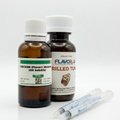
- Offer Alternative Delivery Forms: Create liquid suspensions or sublingual troches for patients who have difficulty swallowing capsules.
- Adapt as Treatment Changes: Easily adjust the dose upward or downward as the patient’s physician monitors their response.
What Conditions are Physicians Using LDN For?
While LDN is not a cure-all, physicians frequently consider it off-label for conditions characterized by chronic pain, neuroinflammation, and immune system dysregulation. Some of the most common categories include:
- Fibromyalgia & Chronic Fatigue Syndrome: Many patients explore LDN to help manage widespread musculoskeletal pain, fatigue, and sleep disturbances.
- Autoimmune Conditions: Conditions such as Hashimoto’s thyroiditis, Crohn’s disease, ulcerative colitis, rheumatoid arthritis, and multiple sclerosis (MS) involve immune system overactivity.
- Neuropathic Pain & Central Sensitization: Nerve pain that does not respond well to traditional analgesics is sometimes managed with medications that influence glial cell activation in the spinal cord and brain.
- Mast Cell Activation Syndrome (MACS): Mast cells become overly sensitive and release too much histamine into the body.
Disclaimer: Evidence for LDN varies widely across these conditions. Always consult a qualified healthcare provider to discuss whether LDN aligns with your specific health profile.
How Does LDN Work?
The mechanisms behind LDN are complex and actively studied in neuropharmacology. Two primary pathways are widely discussed-
- Transient Opioid Receptor Blockade & Endorphin Upregulation: When taken—typically at night—LDN temporarily binds to and blocks opioid receptors for a brief window. The body perceives a shortage of endorphins and responds by upregulating the production of endogenous opioids and increasing receptor sensitivity, leading to enhanced natural pain modulation and immune regulation once the medication clears.
- Glial Cell Modulation and Reduction of Neuroinflammation: Chronic pain and inflammation are frequently linked to the overactivation of glial cells (microglia) in the central nervous system, which release pro-inflammatory cytokines. LDN has been shown in laboratory studies to inhibit these glial cells, potentially reducing neuroinflammation and calming sensitized pain pathways.
What Should Patients Expect When Starting LDN?
Starting LDN is typically approached with a "start low and go slow" philosophy. Because patients with sensitive immune or nervous systems can experience temporary adjustments, physicians usually prescribe a low initial dose (such as 1.5 mg) and gradually increase it every 1 to 2 weeks until reaching the target dose (often 4.5 mg).
- Common Initial Sensations: Some patients report vivid dreams, mild sleep disruption, or temporary headaches during the first few days of starting LDN or following a dose increase. These effects frequently subside as the body adapts.
- Timeline for Results: Unlike acute pain medications that offer immediate relief, LDN works gradually by modulating underlying biological processes. Many physicians recommend a trial period of 8 to 12 weeks to properly assess its impact.
LDN and Opioid Medications- A Safety Concern
Because naltrexone is an opioid receptor antagonist, LDN cannot be taken concurrently with opioid pain medications (such as hydrocodone, oxycodone, tramadol, or morphine).
Taking LDN while opioids are present in your system can precipitate sudden, severe opioid withdrawal. Always provide your compounding pharmacist and prescribing physician with a complete, accurate medication list to ensure safety before beginning any new compounded regimen.
Why Customized Dosing Matters
No two patients respond to medication in the exact same way—especially when dealing with complex, chronic conditions.
Customized compounding allows your physician to fine-tune your dose down to the exact milligram required for optimal tolerability and clinical response. If a standard 3 mg dose causes mild restlessness, a compounding pharmacy can easily adjust the formulation to 2 mg or 2.5 mg, ensuring you can continue your treatment plan comfortably.
How To Get a LDN Prescription Filled
Getting your LDN prescription filled through Precision Rx is a straightforward, collaborative process:
- Consult Your Physician: Discuss LDN with your physician, pain specialist, or functional medicine doctor to determine if it is appropriate for your health goals.
- Prescription Submission: Your provider sends the prescription directly to Precision RX via electronic prescribing, fax, or phone.
- Compounding & Quality Assurance: Our licensed compounding pharmacists carefully prepare your custom capsules or liquid according to USP quality standards.
- Pickup or Delivery: Pick up your medication at our Vestavia Hills pharmacy or request convenient shipping to your home.